Your bedroom should be more than somewhere you collapse at the end of the day. With the right design decisions, it can become a calm, restorative retreat that supports rest, sleep and wellbeing.
With bedrooms being one of the places we spend the most time in, making sure your bedroom is designed in a way that supports rest, sleep and wellbeing is so important.
I’m sure you can relate, the bedroom can easily become a bit of a dumping ground. Piles of laundry, stacks of books, things stored under the bed, fitness equipment in the corner, clothes draped over a chair. Before you know it, your bedroom becomes somewhere you go at the end of the day to crash, rather than somewhere you retreat to.
But our environments have a huge impact on how we feel, and the bedroom should not be forgotten.
In Feng Shui, the bedroom is considered one of the most important rooms in the home because it is believed to influence your personal energy, health, rest and intimate relationships. Whether or not you follow Feng Shui closely, I do think there is something really valuable in the idea that your bedroom should feel supportive, restorative and calm.
Through considered design, you can create a bedroom that feels like a sanctuary. A space that helps you switch off, sleep better, wake up feeling refreshed, and feel more connected to yourself and your home.
So, how do you create a bedroom that feels calm, considered and personal?
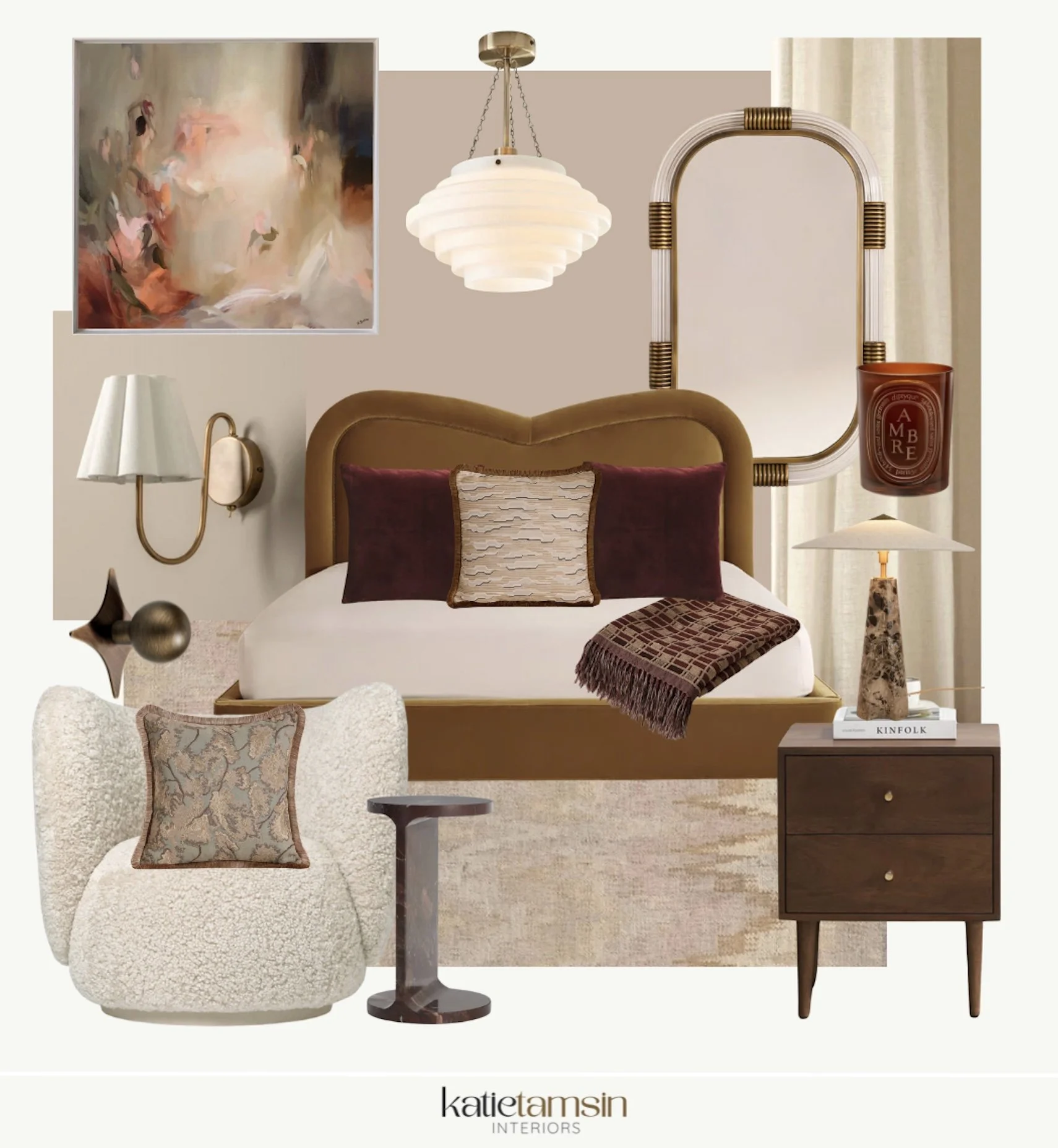
How do you design a calm bedroom?
To design a calm bedroom, start by deciding how you want the room to feel. Then look at the layout, storage, colour palette, lighting, furniture scale, textures and personal details. A well designed bedroom should support sleep, feel easy to move around, provide the right level of storage, and reflect the way you want to feel in the space.
Whether you are designing your bedroom yourself or looking for bedroom design services in Sheffield, the key is to create a clear plan before you start buying furniture, choosing paint colours or saving endless ideas on Pinterest.
Start with how you want to feel
Before you dive into Pinterest, start with how you want to feel in your bedroom.
This is such a simple step, but it is often the one people miss. We can get so caught up in what a room should look like that we forget to think about how we actually want to experience it.
Write down three to four words or statements that describe how you want your bedroom to feel.
For me, I want my bedroom to feel cosy when I am going to sleep, luxurious, cocooning and calming throughout the day. You might want your bedroom to feel peaceful, soft, romantic, minimal, earthy, elegant, refreshing or uplifting.
These words become your anchor.
When you are making decisions about colour, lighting, furniture, artwork or bedding, you can keep coming back to them and asking whether each choice supports the feeling you want to create.
This helps you design from the inside out, rather than simply copying a bedroom you have seen online.
Get the bedroom layout right first
Once you are clear on how you want the space to feel, the next step is to look at the layout.
Before thinking too much about paint colours or styling, ask yourself what your bedroom actually needs to do.
Depending on the size of your home, your bedroom may have quite a few roles. It might need to support sleep, clothes storage, reading, intimate time, getting ready in the morning, or a quiet retreat.
Make a list of the roles your bedroom needs to perform, then note what each role requires. For example, sleep needs a comfortable bed, good bedside lighting and a restful atmosphere. Clothes storage needs wardrobes, drawers, hanging space and somewhere practical to put things away. Getting ready might need a mirror, good lighting and easy access to clothes or accessories.
Once you understand the functions, you can create a layout that properly supports them.
Your bed will usually be the largest piece of furniture in the room, so it makes sense to start there. Is it in the best position? Can you get into it easily from both sides? Does it feel balanced within the room? Can you open drawers, wardrobes and doors properly?
Then think about the other furniture. Bedside tables, wardrobes, chests of drawers, chairs, benches and dressing tables - remembering they all need enough room to breathe.
This is where drawing a bedroom floor plan, to scale, is really helpful. It allows you to see whether everything actually fits before you buy anything, rather than guessing and hoping for the best.
As a bedroom designer in Sheffield, this is something I help clients with regularly. A room can look beautiful in theory, but if the furniture is the wrong size or the layout feels cramped, the space will never feel as calm or considered as it could.
Create a calm bedroom colour palette
Once the layout is working, you can start thinking about the colour palette.
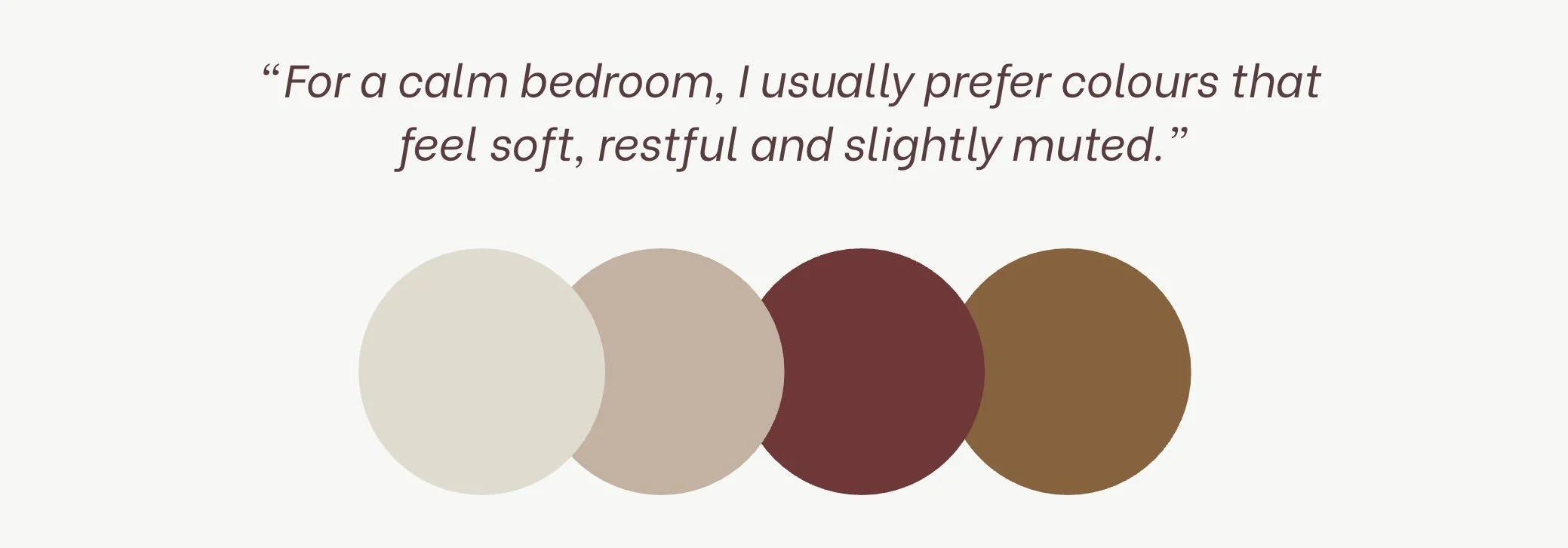
For a calm bedroom, I usually prefer colours that feel soft, restful and slightly muted. This does not mean the room has to be plain or boring. It simply means choosing colours that help the space feel settled rather than overstimulating.
Soft neutrals, warm whites, plaster tones, muted blues, gentle greens, earthy shades and natural colours can all work beautifully in a bedroom.
The right colour palette will depend on the light in the room, your furniture, your flooring, and the overall feeling you want to create. A north facing bedroom may need warmer tones to stop it feeling cold, while a very bright south facing bedroom may be able to take softer, cooler colours without feeling flat.
Try to avoid choosing a paint colour in isolation. Instead, look at the full palette together. Walls, flooring, bedding, curtains, furniture, lighting and artwork all need to work as one.
A calm bedroom is rarely created by one single colour. It is created by the relationship between all the materials, tones and textures in the space.
Layer the lighting
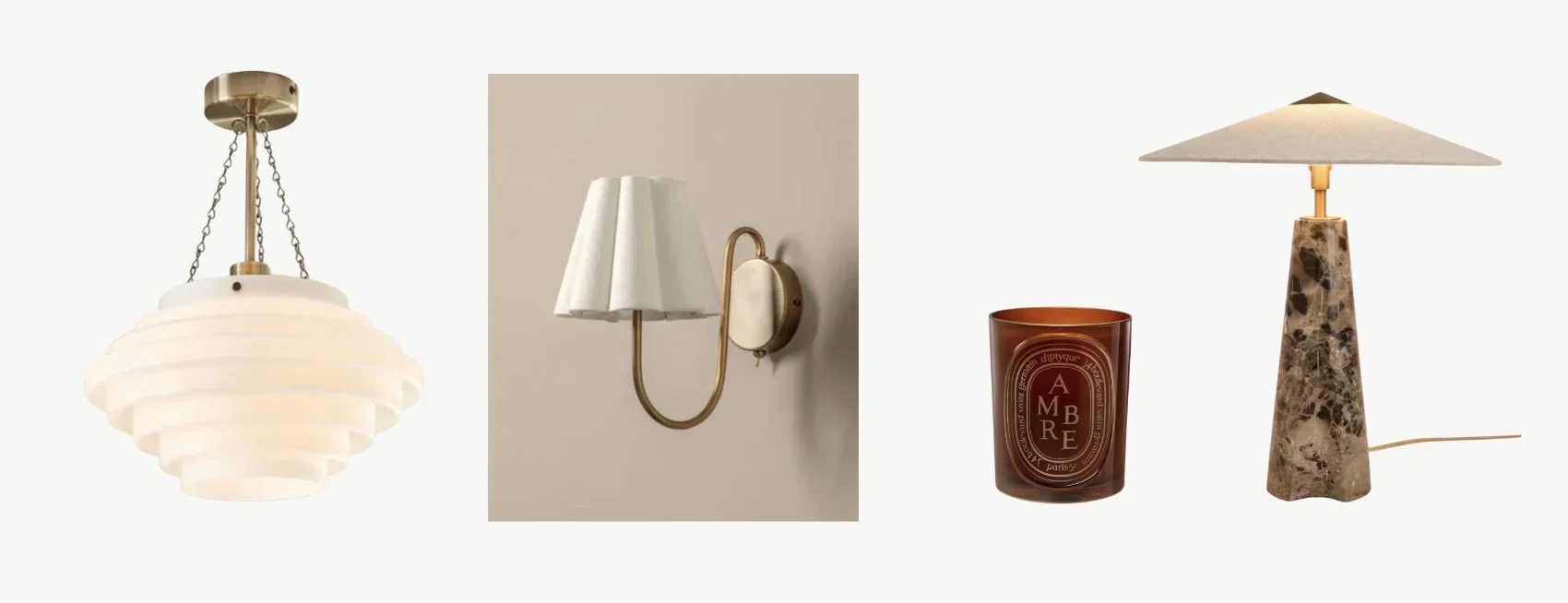
Lighting is one of the most important parts of bedroom design, especially if you want the room to feel restful.
A single ceiling light is rarely enough. It might be practical when you are cleaning or getting dressed, but it is usually too harsh for the evening.
Instead, think about layering your lighting.
You might have a central ceiling light or pendant for general light, bedside lamps or wall lights for reading, soft low level lighting for the evening, and wardrobe lighting if you need better visibility for clothes storage.
The aim is to create different lighting options for different times of day.
In the morning, you might want the room to feel bright and fresh. In the evening, you probably want it to feel softer, warmer and more cocooning.
If your bedroom currently feels a bit flat or unfinished, improving the lighting can make a huge difference.
Choose furniture that fits the scale of the room
Furniture scale is one of the biggest things that can make a bedroom feel either calm and considered, or awkward and cluttered.
The bed, bedside tables, wardrobes, chest of drawers, rug and any additional seating all need to feel proportionate to the room.
Try not to go too big, but also avoid going too small.
For example, a rug under a bed should be large enough to sit generously beneath it, rather than looking like a small island floating in the middle of the floor. Bedside tables should feel balanced with the bed. Wardrobes should provide enough storage without overpowering the whole room.
This is where many people struggle because it can be hard to visualise scale.
If you are investing in new pieces, take time to measure properly and map them out. Use masking tape on the floor if needed. Even better, create a scaled floor plan so you can test the layout before committing.
This is especially useful in period properties, terraces and smaller homes where alcoves, chimney breasts, awkward corners and limited storage can make bedroom design more challenging.
If you want to know how to measure your space like a pro, I have a Free guide explaining how to measure up correctly.
Add texture, art and personal details
Once the practical elements are in place, you can start layering in the details that make the bedroom feel personal.
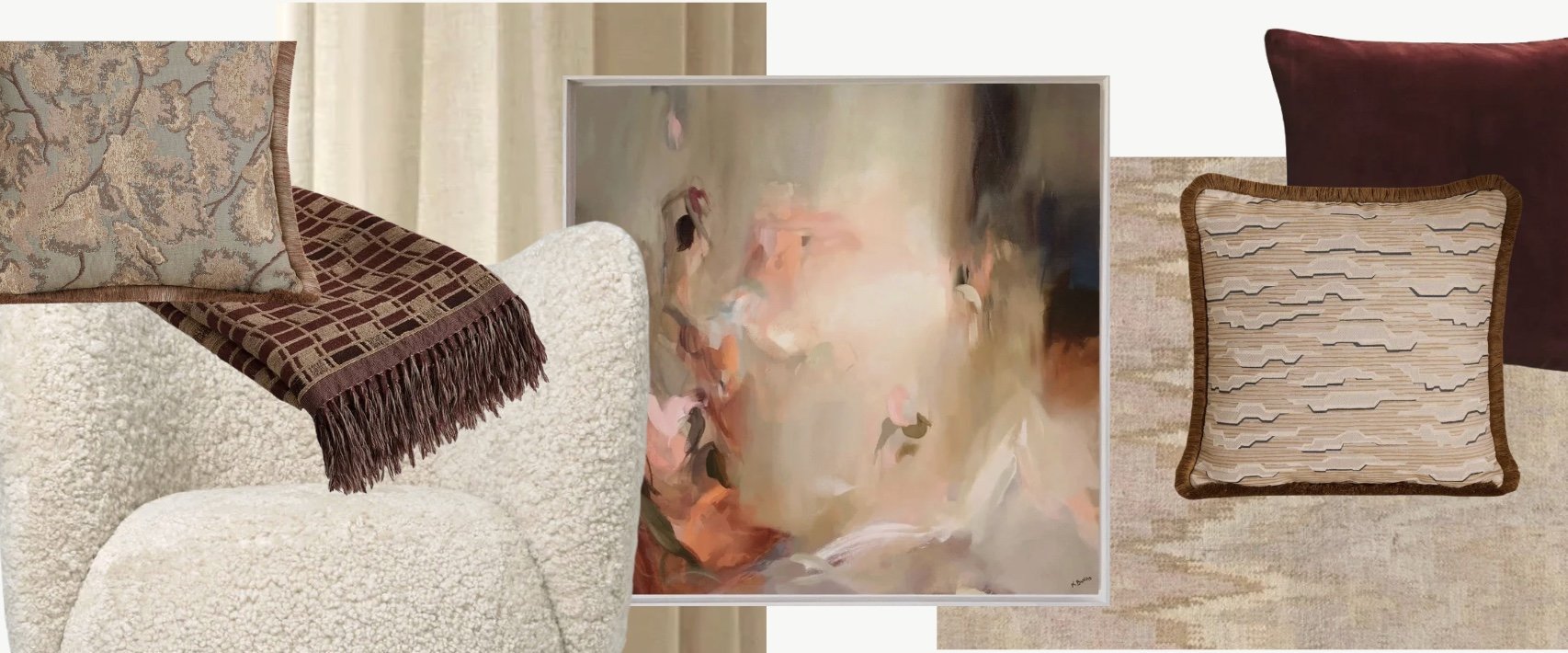
Texture is really important in a bedroom because it creates softness and comfort. Think about quality bedding, breathable fabrics like cotton or linen, cushions, throws, curtains, blinds, rugs and upholstery.
These layers help the room feel warmer, calmer and more inviting.
Artwork can also bring the room together, but I would choose pieces carefully. In Feng Shui, family photos are often avoided in the bedroom because they can interrupt the feeling of intimacy and rest. I think this is a helpful thing to consider, even if you interpret it loosely.
Instead, choose artwork that supports the mood you want to create. It might be abstract, soft, landscape inspired, calming, romantic or quietly expressive.
You can also bring in meaningful objects, but keep them edited. A bedroom should not feel visually noisy. Choose pieces that reflect how you want to feel in the space, rather than filling every surface.
I would also be mindful of anything that feels too sharp, aggressive or busy. The bedroom is a place to soften, restore and switch off.
Keep visual clutter under control
A calm bedroom is not about having no belongings. It is about making sure everything has somewhere to go.
If your bedroom regularly becomes a dumping ground, the issue may not be that you are messy. It may simply be that the room is not supporting the way you actually live.
Do you need better laundry storage? More drawers? A dedicated place for books? A better bedside setup? A chair that is actually for reading rather than becoming a clothes pile?
Good bedroom design should make daily life easier.
When a room supports your habits, it becomes much easier to keep it feeling calm.
When to get help from a bedroom designer in Sheffield
If you have read this far and know you want your bedroom to feel calmer, more considered and more personal, but you do not really want to work it all out on your own, this is where getting design help can make the process much easier.
My bedroom design services in Sheffield and virtually throughout the UK, are designed to give you clarity before you start making decisions or spending money.
I can help you look at the room as a whole, understand what is and is not working, create a layout that makes sense, draw a bedroom floor plan to scale, choose a colour palette, source furniture and lighting, and bring all the details together in a way that feels practical, beautiful and personal to you.
Sometimes you just need expert guidance, a clear plan and someone to help you make confident decisions.
When I work on any interior design project my aim is to help you move from feeling unsure and overwhelmed to having a clear, considered plan for your space.
If you’ve read this far and think you might like to explore working with me, I would love to hear your plans and see how I can help.
You can take a look at the interior design packages I offer or, if you prefer you can book a no obligation discovery call with me to chat about your home.